

New Technologies in Anatomy Education: Introduction
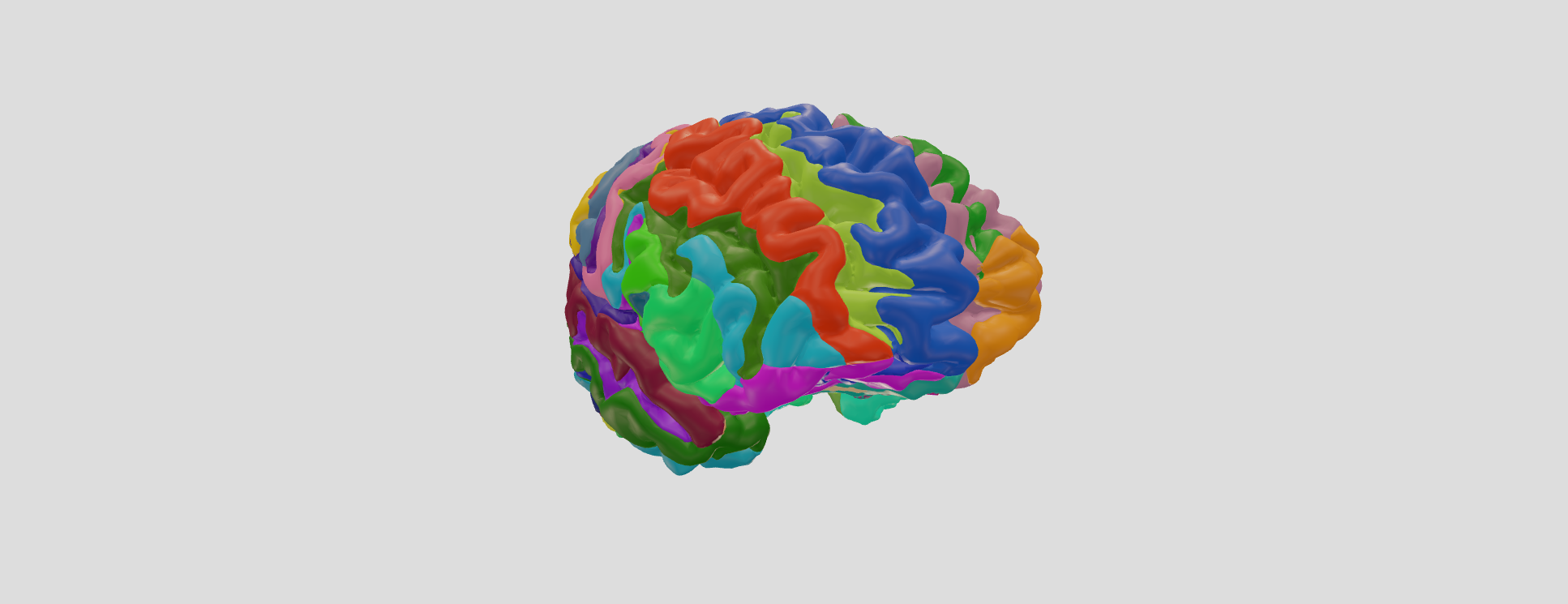
In recent years, the field of anatomy has seen a revolutionary shift due to the integration of new technologies into anatomy education. These changes have significantly improved how anatomy educators approach teaching anatomy, how medical students learn anatomy, and how graduate programs structure their education programs. From virtual dissection to augmented reality and advanced simulation, innovative tools are enhancing anatomical education and transforming the anatomy learning resource landscape.
Graduate Degrees with a Technological Focus
Many graduate degree programs are integrating medical physiology programs, human physiology, and Fundamentals of Human Physiology courses with advanced modules in teaching anatomy content. This creates a comprehensive curriculum that supports graduate education in both theoretical and practical human anatomy.
Programs like the anatomy PhD program offered at major institutions ensure students acquire essential anatomy knowledge alongside expertise in digital tools such as 3D printing, virtual models, and simulation. These programs are ideal for those pursuing careers in faculty teaching anatomy, teaching positions, or becoming a program director in academic health sciences.
Anatomy Educators and Technological Integration
Anatomy educators capable of using these new tools play a critical role in modern anatomy education. Through access to resources like TeachMeAnatomy, doctoral-level anatomy educators develop structured lesson plans that reflect current trends in teaching anatomy.
As the demand for existing anatomy professionals and anatomy lab managers grows, technology-enhanced education tracks ensure educators and learners alike are up to date. With the inclusion of AI, holograms, and VR, anatomy professional organizations such as the APTA Academy of Education advocate for integrating emerging tech into curricula, making anatomy education more immersive and comprehensive.
Anatomy Education Programs: New Approaches
Technology has significantly changed the structure of the anatomy education program. Institutions are adapting medical school level courses to reflect innovations like the holoanatomy program, which provides detailed visualizations of the human body and human body structure.
Through simulations and AI-driven systems, anatomy offers expertise that allows entering medical students to engage more deeply with anatomy lab environments. These technologies support teaching anatomy with lifelike accuracy and measurable learning outcomes. Anatomy PhD and anatomy program provides access to lab equipment, virtual dissections, and software that helps in learning human anatomy interactively.
Anatomy PhD Program and Advanced Resources
The anatomy PhD path now includes modules designed around education graduate degrees that prepare professionals for the demands of digital learning. These programs are well-suited to those aiming for medicine graduate programs, physician assistant programs, or physical therapy education.
Specialized training in physical therapy anatomy and therapy program design helps learners transition into professional physical therapy roles or research-based academic positions. With a strong emphasis on anatomical sciences, the phd program incorporates digital pedagogy, 3D modeling, and interactive learning environments.
Graduates from these programs are prepared to lead in professional school contexts, develop new tools for therapy education programs, and contribute to rigorous medical school training environments.
Conclusion
The integration of new technology in anatomy education has redefined how students and anatomy educators approach the subject. Whether pursuing a graduate degree program, engaging in certificate programs, or enrolling in a medical physiology program, learners are now better equipped to learn anatomy, understand the human body, and contribute meaningfully to healthcare.
As digital tools become standard, institutions must continue to support anatomy educators capable of adapting to change, promote innovations in education, and ensure that every anatomy program provides access to tools necessary for future-ready medical school curricula. From teaching anatomy content to advancing anatomy knowledge, these technological shifts promise a more dynamic, engaging, and effective educational experience.