

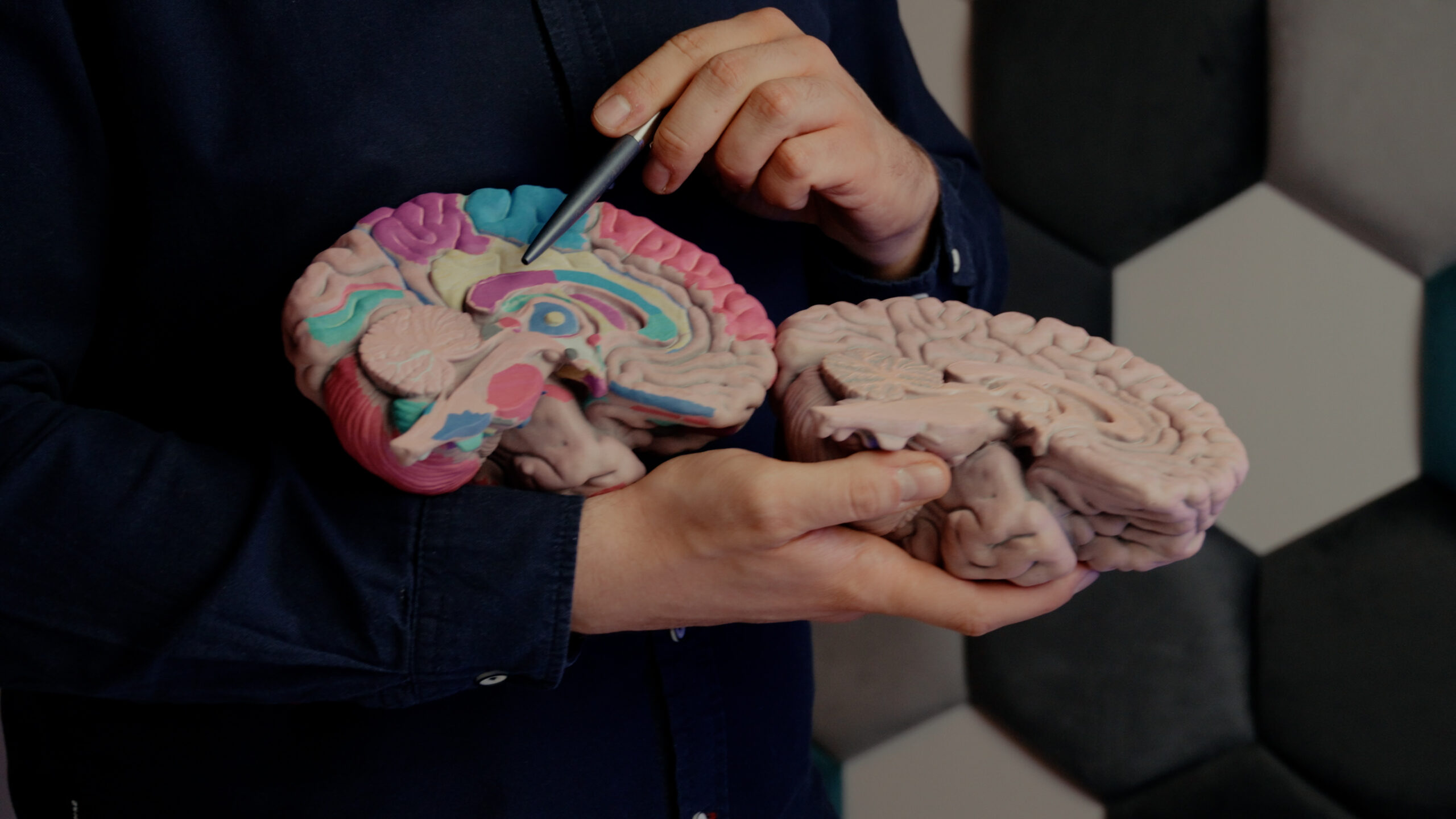
Intruduction
Teaching anatomy effectively is both a rewarding and challenging endeavor. As educators in the field of medical education, health science, or medical sciences education, optimizing your approach to anatomy teaching can dramatically enhance student learning and engagement. Whether you’re started teaching anatomy recently or a seasoned instructor, this guide outlines essential anatomy teaching tips, strategies, and resources to help you provide an engaging learning experience and improve student performance in your classroom or online settings.
1. Foundations of Anatomy Teaching: Curriculum and Course Design
Successful anatomy teaching begins with a robust anatomy and physiology curriculum that integrates both foundational human anatomy and applied clinical anatomy. Designing an effective anatomy curriculum involves defining clear anatomy learning outcomes that align with your educational goals.
An effective anatomy course design incorporates a mix of traditional and innovative teaching methods to ensure comprehensive coverage of gross anatomy, human body systems, and essential clinical concepts such as homeostasis and medical terminology. Including physiology classes alongside anatomy and physiology instruction supports holistic understanding, allowing students to connect structure with function.
2. Optimize Teaching Anatomy: Active Learning and Interactive Tools
To truly optimize teaching anatomy, embrace active learning strategies. Passive lectures alone rarely engage students sufficiently, so incorporating interactive anatomical lectures and interactive anatomy sessions can elevate student engagement.
Using interactive anatomy models, including online anatomy models and virtual human anatomy platforms like Labster, transforms abstract concepts into tangible learning experiences. Virtual anatomy labs and virtual labs offer students a risk-free environment to explore human anatomy dissection techniques and practice clinical anatomy without the limitations of physical specimens.
These interactive tools create an engaging learning environment, encouraging students learn through exploration and inquiry rather than rote memorization.
3. Engaging Learning Sessions: Techniques for Teaching Students Effectively
Delivering engaging learning sessions requires more than content knowledge—it demands pedagogical finesse. Here are some essential anatomy teaching tips to keep your anatomy students interested and motivated:
These strategies improve student engagement and help students develop critical thinking skills relevant to medical sciences.
4. Using Technology to Enhance Anatomy Education
Technology has revolutionized anatomy education. Leveraging platforms like TeachMeAnatomy, Labster, and other online anatomy resources enriches teaching by providing diverse learning material accessible anytime.
Online anatomy models and interactive anatomy software help visualize complex anatomical structures, improving understanding human anatomy and supporting anatomy learning outcomes. Implementing virtual human anatomy labs alongside traditional dissection complements hands-on experience, especially important for remote or resource-limited settings.
These tools also enable instructors to assess student learning through embedded quizzes and simulations, providing valuable feedback on student performance.
5. Teaching Clinical Anatomy: Real-World Application
A crucial goal of teaching human anatomy is to link anatomical knowledge to clinical practice. Integrating clinical cases and essential clinical anatomy content within your anatomy and physiology curriculum enhances relevance and motivation for medical students and health science students.
Use real-world scenarios in lectures and anatomy lab sessions to demonstrate the practical implications of gross anatomy and clinical anatomy. This approach fosters deeper anatomical knowledge and equips students to apply anatomical knowledge application in diagnostic or therapeutic contexts.
6. Strategies for Improving Student Engagement and Learning
Keeping students engaged requires a multifaceted approach. Here’s how to improve your teaching effectiveness:
7. Anatomy Teaching Tips for Different Student Populations
Different learners require tailored approaches. For mbbs students, dental anatomy teaching might emphasize head and neck structures, while health science students may focus on broader systemic anatomy.
Customize your lessons to meet the needs of your audience, whether they are science students, medical students, or allied health learners. Incorporate terminology relevant to their future professions, such as medical terminology and clinical relevance.
8. Designing Assessments and Feedback for Effective Learning
A key aspect of anatomy teaching is the ability to assess student learning accurately. Use a variety of methods:
Regular assessment not only evaluates student performance but also guides improvements in your anatomy teaching methods.
9. Building a Supportive Learning Environment
Creating a supportive and inclusive learning environment encourages curiosity and persistence in mastering human anatomy. Facilitate open communication, provide timely feedback, and encourage peer collaboration.
Use anatomy study routine structures that help students manage their workload, balancing anatomy learning with physiology classes. Encourage participation in anatomy-themed scavenger hunts or group projects to build camaraderie and collective problem-solving skills.
10. Continuous Improvement: Staying Updated and Adapting Your Teaching
The fields of medical education and anatomy education are constantly evolving. Stay updated with new teaching methods, research, and digital resources to continuously improve your instruction.
Attend workshops, participate in professional networks, and integrate new tools like virtual anatomy labs or online learning platforms such as Labster. This commitment ensures your anatomy teaching remains relevant and effective.
Conclusion
Effective anatomy teaching combines a solid anatomy and physiology curriculum with active learning, interactive tools, and clinical relevance. Employing these anatomy teaching tips and embracing modern technology like virtual labs and online anatomy models can significantly improve student engagement and student performance.
Whether you’re guiding medical students, health science students, or science students, adopting a student-centered, evidence-based approach will help your learners not only grasp the complexities of human anatomy but also apply this knowledge confidently in their professional futures.