

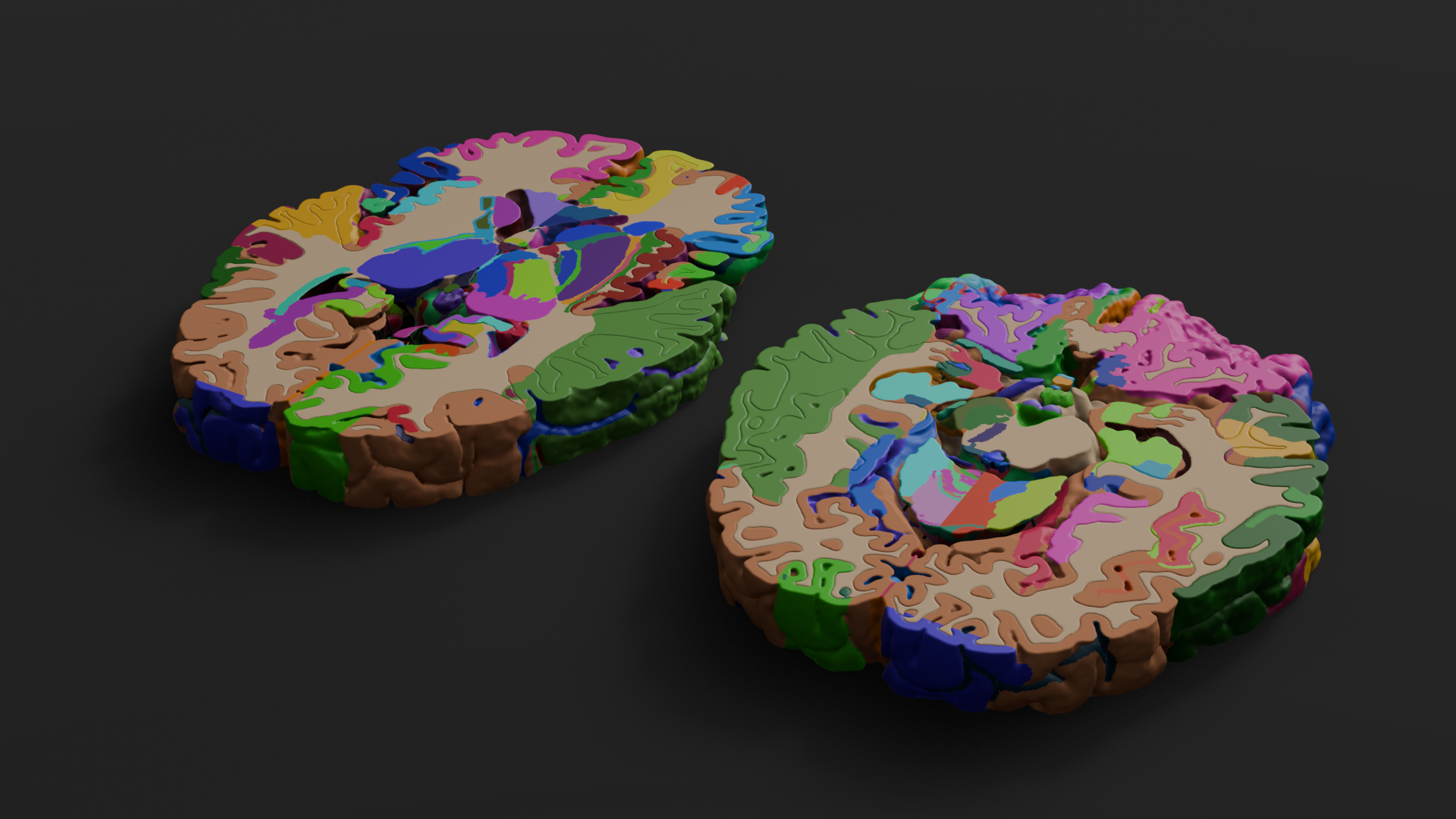
Introduction to Modern Anatomy Learning Resources
Studying anatomy without access to a traditional dissection room is no longer a major obstacle, thanks to the emergence of digital anatomy learning resources. Innovations in educational technology allow medical students, anatomy students, and even professionals preparing for careers like anatomy for nurses or anatomy for doctors, to master essential anatomical knowledge outside the lab. Whether you’re involved in anatomy for physiotherapists or preparing for medical school, a wide range of tools can help you study anatomy effectively.
Learn Anatomy Online with Comprehensive Platforms
For students seeking to learn anatomy online, platforms like Kenhub and TeachMeAnatomy have become indispensable. These platforms offer interactive anatomy experiences, such as 3D anatomy tools, online anatomy atlas resources, and guided anatomy tutorials that are aligned with academic standards.
Flashcards: Portable and Powerful
Using anatomy flashcards is one of the oldest and most effective strategies in anatomy study. Flashcards help reinforce anatomy concepts, enhance active recall, and make understanding human anatomy more accessible. Many students also benefit from using digital anatomy flashcards, which combine dual coding—visuals and text—for superior retention.
Active Recall for Mastering Anatomy
Active recall is a proven method for effectively studying anatomy. It involves pulling information from memory rather than simply reviewing it. This cognitive approach is essential for studying human anatomy, especially when preparing for anatomy exams or medical licensing tests.
Anatomy for Physiotherapists: Specialized Focus
Anatomy for physiotherapists requires a strong grasp of muscle anatomy, body structures, and gross anatomy. Interactive resources and anatomy learning techniques tailored to movement and rehabilitation enhance your preparation in physical therapy programs.
Human Anatomy Study Without a Scalpel
Without a dissection room, tools such as anatomy atlas textbooks, muscle anatomy charts, and videos become critical. These materials help you visualize and analyze the human body structure, filling the gap traditionally bridged by cadaver labs.
Muscle Anatomy Videos and Charts
Watching muscle anatomy videos and studying muscle anatomy charts can replace firsthand dissection sessions to a great extent. High-quality learn muscle anatomy content from platforms like Kenhub helps anatomy students master muscle groups, nerve pathways, and vascular systems.
Start Learning Anatomy with the Right Study Techniques
To start mastering anatomy, one must follow consistent study habits and use a strategic study schedule. Proven techniques include spaced practice, retrieval practice, and detailed note-taking. Integrating anatomy study strategies and study techniques into your routine ensures more successful anatomy study.
Quizzes and Online Testing Tools
Frequent quizzes, regular testing, and anatomy exams ensure that you retain information and recognize knowledge gaps. Digital quizzes from online anatomy classes offer immediate feedback, making studying anatomy easier and more productive.
Anatomy Atlas Textbooks and Learning Materials
Traditional anatomy atlas textbooks remain essential even in a digital world. Combining them with learning resources such as textbooks learning anatomy, basic anatomy terms, and classic anatomy learning principles reinforces both theory and application.
The Role of Study Groups and Partners
Joining a study group or working with a study partner can significantly enhance anatomy learning. Peer discussions clarify difficult topics and improve memory through collaborative anatomy learning techniques.
Anatomy for Nurses: Practical and Clinical Relevance
Anatomy for nurses focuses on clinically relevant structures and systems. Human anatomy study for nursing students often relies on study guides, learn anatomy videos, and case-based learning approaches.
How to Learn Anatomy with Visual Tools
Learning anatomy faster is possible with visual aids. Use drawing anatomy techniques, anatomy labeling worksheets, and even coloring books designed for anatomy learners. Visual representation helps with understanding anatomy faster.
Anatomy Glossary and Terminology Mastery
Mastering an anatomy glossary of terms is fundamental. Whether you’re in gross anatomy learn mode or diving into microscopic anatomy, understanding terminology boosts confidence and precision in communication.
Memory Palace for Long-Term Retention
A Memory palace is an advanced technique for memorizing anatomy concepts. This cognitive psychology learning strategy involves placing anatomical information within imagined spatial locations, aiding anatomy studies faster.
Learn Anatomy Videos and Tutorials
Video-based learning is central to modern anatomy learning. Learn anatomy videos and anatomy video resources simplify complex topics. Platforms like YouTube and SmartBook® by McGraw Hill offer comprehensive visual aids to completely learn anatomy.
The Power of 3D Anatomy Tools
3D anatomy tools offer an immersive experience. Programs like Visible Body or BioDigital Human allow you to rotate, dissect, and explore anatomical structures in real time—emulating a gross anatomy student experience.
Study Anatomy First-Hand—Digitally
You can still study anatomy first-hand through digital cadaver simulations and VR dissections. These allow you to explore gross anatomy, body anatomy, and anatomy physiology study with lifelike realism.
Anatomy Tutorials and Guided Sessions
Guided anatomy tutorials simulate classroom instruction and are invaluable for solo learners. These tutorials provide structure and ensure comprehensive coverage of the ultimate anatomy study plan.
Anatomy Careers: Your Long-Term Goal
For those interested in anatomy careers, building solid anatomy knowledge is critical. Digital platforms ensure you’re prepared for roles in education, research, or clinical practice, even if you lack access to traditional dissection labs.
Conclusion
The path to mastering anatomy studies without a dissection room is not only possible but increasingly effective. Through a blend of study skills, digital resources, and cognitive strategies, students can gain essential anatomy knowledge in a flexible, accessible way. By incorporating tools like anatomy tutorials, 3D anatomy tools, flashcards, anatomy atlas textbooks, and memory palace techniques, learners can confidently progress in their medical studies or healthcare careers. The modern anatomy experience no longer depends on physical dissection—digital mastery is the new norm.