

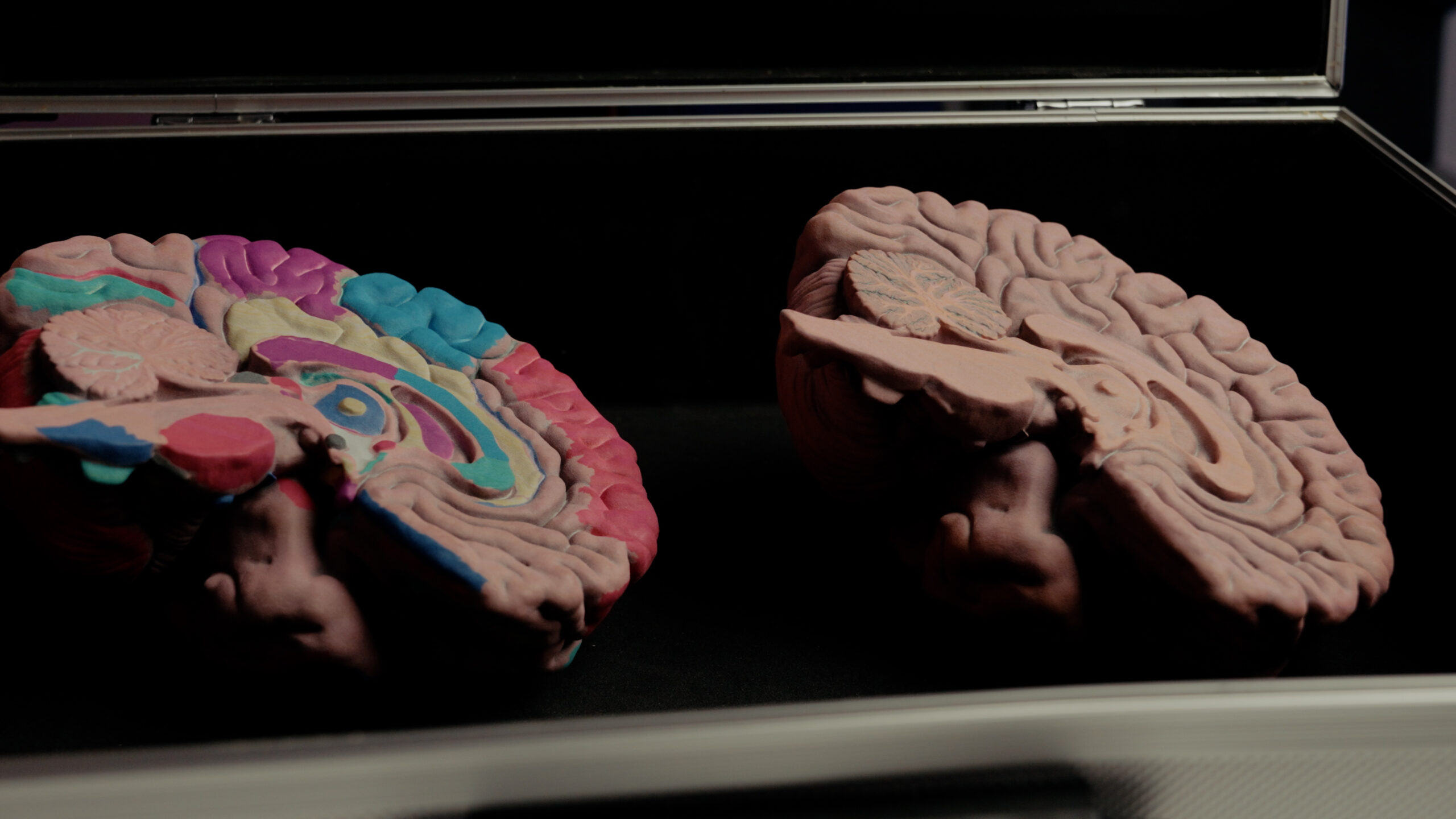
Transforming Anatomy Education with Interactive 3D Anatomy Models
The field of human anatomy education has undergone a significant transformation thanks to advances in digital anatomy solutions and interactive 3D anatomy models. These tools enable learners to explore the human body in unprecedented detail, making the study of human anatomy more engaging and effective. By utilizing interactive anatomy models derived from medical imaging data, students and educators can interact with detailed human anatomy atlases that provide a layered, dynamic approach to learning.
Digital platforms such as BioDigital Human offer comprehensive human anatomy interactive atlases, allowing users to manipulate anatomical structures—from the human skeleton model to intricate human head models—through zoom, rotation, and sectional views. This digital interactivity supports a deeper understanding of human anatomy beyond static images, promoting active learning and retention.
Anatomical Models: Bridging Theory and Practice
Physical anatomy models continue to play a crucial role in anatomy education. From printed anatomic models to life size anatomical replicas, these tools provide tangible experiences that complement digital learning. The creation of bespoke anatomical models tailored for specific clinical or educational needs enhances this approach.
A particularly valuable development is the use of patient-specific anatomical models generated through medical image segmentation of real patient scans. These models improve surgical planning and patient education, allowing healthcare professionals and students to visualize individual anatomical variations. Examples include functional joint models, cardiology models, and kidney models that facilitate clinical application alongside theoretical study.
Human Anatomy Interactive Atlas: Enhancing Learning with Digital and Physical Resources
The human anatomy interactive atlas combines the strengths of digital and physical resources, offering a comprehensive toolkit for learners. These atlases integrate interactive 3D visualizations with detailed anatomical information, enabling users to explore the human skeleton, muscles, nerves, and organs layer by layer.
Through interactive anatomy platforms, learners can engage with the human body models more effectively. The ability to isolate systems and simulate physiological functions enhances studying human anatomy, making complex concepts more accessible and easier to grasp for students and professionals alike.
3D Anatomical Modelling Workflow: From Scan Data to Physical Models
The 3D anatomical modelling workflow is a multi-step process beginning with the acquisition of medical imaging data such as CT or MRI scans. This data undergoes medical image segmentation, which separates anatomical structures digitally.
Subsequently, these segmented models are used to create physical anatomy through 3D printing technology, producing physical models like the human skeleton, human urinary, or human head models. This approach allows for the production of patient-specific models that capture individual anatomical details, greatly benefiting personalized medicine and education.
By linking digital anatomy with tangible life size models, this workflow enriches the anatomy learning environment, giving students and clinicians an opportunity to engage with anatomical structures both virtually and physically.
3D Anatomical Models Solve Real-World Cases
One of the greatest advantages of 3D anatomical models is their application in addressing real-world cases. Customized patient anatomy models enable surgeons to plan and rehearse complex procedures, reducing risk and improving patient outcomes. Additionally, these models are essential tools for patient education, helping individuals understand their medical conditions visually.
For healthcare professionals and students, interactive 3D anatomy models offer opportunities for hands-on practice with anatomical human eye, human head, and skeletal models. This practical exposure enhances anatomical knowledge and clinical skills, crucial for effective healthcare delivery.
Anatomy Models and Digital Anatomy Solutions: Shaping the Future of Learning
The combination of digital anatomy solutions and traditional anatomy models is reshaping how anatomy is taught and learned. Platforms like BioDigital Human and Visible Body Human provide extensive libraries of interactive anatomy content, including relief models, joint models, and other anatomic model solutions.
These modern tools allow educators to offer a rich, immersive learning experience, with detailed anatomy interactive atlases and customizable interactive 3D anatomy models that cover the full spectrum of body anatomy. The integration of digital anatomy with physical printed anatomic models ensures students gain a thorough, hands-on understanding of human anatomy.
Conclusion
In summary, the rise of interactive 3D anatomy models and sophisticated digital anatomy solutions has revolutionized anatomy education. These technologies facilitate a comprehensive, interactive, and personalized approach to learning human anatomy that prepares students and professionals for academic success and clinical excellence.