

Introduction
Anatomical models for teaching are valuable teaching tools in medical schools, universities, and training centers. They offer realistic anatomical references, fostering students’ hands-on learning and enabling an accurate learning experience. With a range of life-size anatomical and advanced anatomical model types available, educators can now explore anatomical models suited for specific medical disciplines with ease.
1. Life-Size Skeleton Models and Anatomical Skeletons
Among the most popular medical training models are the life-size anatomical skeleton options. These life-size skeleton models are designed with anatomical accuracy, often made from durable materials like high-quality PVC, ensuring long-term use. A life-size model of the human skeleton enables learners to examine each anatomical structure in depth.
A life-sized human skeleton helps medical students and medical professionals better understand human body anatomy and practice medical training. These human skeleton models can include features such as flexible joints, labeled bones, and even an attached human skull model for cranial study.
2. Organ Models and Torsos for Internal Anatomy
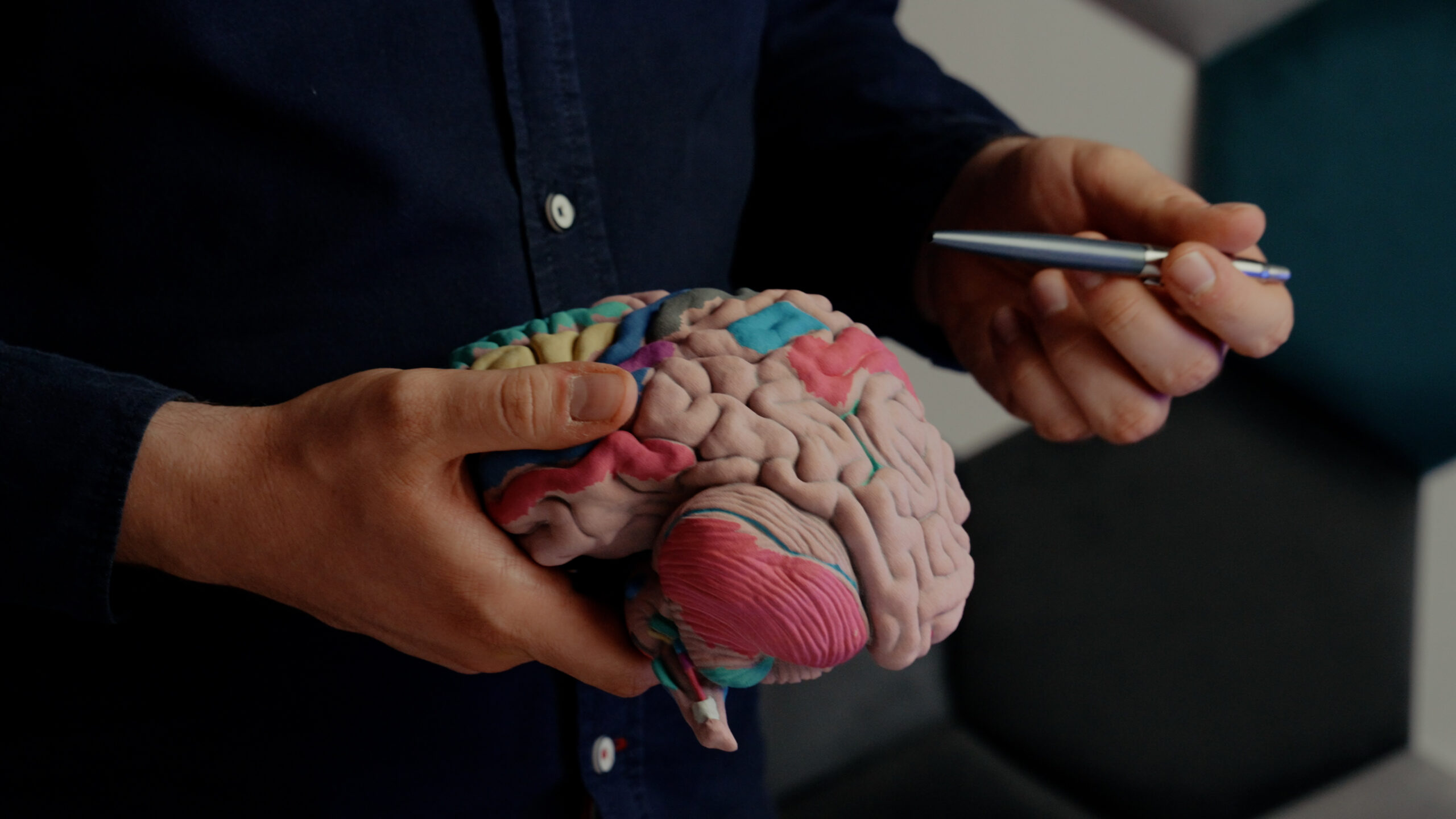
The organ models category is essential for anatomy education. These anatomical replicas include models of organs such as hearts, lungs, livers, and brains. A brain model, in particular, is used in neurology models and science classroom tools to illustrate cognitive functions and disorders. Models like the disassemblable eye model offer an immersive learning experience that combines detailed views with students’ hands-on learning.
Torsos model options, often with removable parts, help learners explore individual organs and systems like the digestive and circulatory systems. These realistic anatomical models support diverse learning styles and communicate complex medical information clearly.
3. Specialized Anatomical Models for Skills Training
For practicing medical skills, models like the injection training arm and suture training skin provide an unparalleled hands-on experience. These popular practice models help simulate real scenarios, enhancing medical training through physical models that resemble human skin and veins.
Additional specialized models include gynecology models, cardiology models, dental models, and acupuncture models, designed for specific medical disciplines. Such training models are indispensable for teaching practical procedures and diagnostics.
4. Human Body Models and Anatomy Replicas
Full human body models deliver a complete overview of human anatomy, from muscular systems to skeletal frameworks. These body anatomy models are great for virtual learning environments when combined with anatomy app support and digital enhancement included features.
3B Scientific offers a model range that includes the latest in technology-driven medical education. Their 3B Smart Anatomy line combines physical models with app-based interactivity for a more interactive learning experience.
5. The Role of Anatomical Models in Medical Education
Medical education today demands tools that provide students with a clear understanding of the human body. Anatomical models for teaching not only offer realistic anatomical visuals but also encourage fostering interactive learning. Whether through human anatomy models, life-sized human skeleton replicas, or models of tissues, these tools are crucial for delivering impactful education.
Human anatomy engaging and accessible means better learning tools for future healthcare providers. With realistic anatomical models, accurate learning experience, and options like CPR training simulators, these models elevate traditional instruction.
Conclusion
By using anatomy models tailored to your curriculum, you provide students with effective tools for understanding human anatomy and practicing medical skills in a safe, repeatable way. Whether you’re working with a human skull, injection arm models, or anatomical skeleton, investing in high-quality replicas is essential for excellence in anatomy education.